2026年5月26日星期二

What Materials Are Best for Industrial Tanks Depending on the Fluid Stored?


https://www.yongchangfrp.com/

Selecting the right material for an industrial tank is a critical engineering decision. The fluid being stored—whether water, fuel, chemicals, or food-grade products—directly affects tank performance, safety, lifespan, and maintenance costs. A material that performs well for one application may fail quickly in another. Understanding how different tank materials interact with specific fluids is essential for long-term reliability.


This article explores the most common industrial tank materials and explains which fluids they are best suited to store.


Carbon Steel Tanks: Reliable for Non-Corrosive Fluids


Carbon steel is one of the most widely used materials for industrial tanks due to its strength and affordability. It is best suited for fluids that are non-corrosive or only mildly corrosive.


Suitable fluids include:


Industrial water


Diesel and fuel oil


Lubricants


Non-aggressive process liquids


Carbon steel tanks offer excellent structural integrity and can be fabricated in large sizes. However, they are vulnerable to corrosion when exposed to moisture or chemicals. To extend service life, internal coatings, linings, or cathodic protection systems are often required.


Stainless Steel Tanks: Ideal for Corrosive and Hygienic Applications


Stainless steel tanks are preferred when corrosion resistance, cleanliness, or temperature control is critical. Grades such as 304 and 316 stainless steel are commonly used in demanding industrial environments.


Suitable fluids include:


Food and beverage products


Pharmaceuticals


Corrosive chemicals


High-purity liquids


Stainless steel resists rust, contamination, and chemical attack, making it ideal for industries with strict hygiene standards. While the initial cost is higher than carbon steel, the long service life and low maintenance often justify the investment.


Fiberglass Reinforced Plastic (FRP) Tanks: Excellent for Chemical Storage


FRP tanks are non-metallic and known for their strong resistance to corrosion. They are widely used in chemical processing and wastewater treatment.


Suitable fluids include:


Acids and alkalis


Salt solutions


Industrial wastewater


Chemical effluents


FRP tanks are lightweight, easy to install, and resistant to many aggressive chemicals that would quickly corrode steel. However, they have lower impact resistance and temperature limits compared to metal tanks, so design conditions must be carefully evaluated.


Polyethylene (PE) and Plastic Tanks: Cost-Effective for Mild Fluids


Plastic tanks, particularly those made from high-density polyethylene (HDPE), are commonly used for small to medium storage capacities.


Suitable fluids include:


Potable water


Fertilizers


Mild chemicals


Cleaning solutions


These tanks are corrosion-resistant, affordable, and easy to transport. However, they are not suitable for high temperatures, high pressures, or many petroleum-based fluids. Their use is typically limited to lower-risk applications.


Concrete Tanks: Best for Large-Volume Water and Wastewater Storage


Concrete tanks are commonly used where very large storage volumes are required and chemical exposure is limited.


Suitable fluids include:


Raw and treated water


Wastewater and sewage


Slurry and sediment-laden fluids


Concrete offers excellent durability and is ideal for underground or open-top installations. For fluids that may attack concrete, internal liners or coatings are often applied to prevent degradation.


Alloy and Specialty Metal Tanks: For Extreme Conditions


In highly specialized industries, standard materials may not be sufficient. Alloy tanks made from materials such as aluminum, Hastelloy, or Inconel are used in extreme environments.


Suitable fluids include:


Highly corrosive chemicals


High-temperature or high-pressure fluids


Specialized petrochemical products


These materials provide exceptional performance but come at a significantly higher cost. They are typically used only when other materials cannot meet safety or process requirements.


Key Factors to Consider When Choosing Tank Materials


Before selecting an industrial tank material, engineers should evaluate:


Chemical compatibility with the stored fluid


Operating temperature and pressure


Regulatory and safety requirements


Installation environment (indoor, outdoor, or underground)


Total lifecycle cost, not just initial price


Conclusion


There is no universal “best” material for industrial tanks. The optimal choice depends entirely on the type of fluid being stored and the operating conditions. By carefully matching tank materials to fluid properties, industries can improve safety, reduce maintenance, and extend the service life of their storage systems.

What materials are best for industrial tanks depending on the fluid stored?


https://www.yongchangfrp.com/

Choosing the right material for an industrial tank is not a one-size-fits-all decision. The fluid being stored—its chemical makeup, temperature, pressure, and cleanliness requirements—largely determines which material will perform safely and economically over time. Below is a practical, industry-focused breakdown of the most commonly used tank materials and the fluids they are best suited for.


1. Carbon Steel Tanks


Best for: Water, diesel, fuel oil, lubricants, some non-corrosive chemicals


Carbon steel is one of the most widely used materials in industrial tank construction. It offers high strength, good weldability, and relatively low cost.


Advantages:


Excellent mechanical strength


Cost-effective for large volumes


Suitable for atmospheric and low-pressure tanks


Limitations:


Susceptible to corrosion without coatings or linings


Not ideal for aggressive chemicals


Typical applications: Fuel storage tanks, fire water tanks, process water tanks


2. Stainless Steel Tanks


Best for: Food products, pharmaceuticals, corrosive chemicals, high-purity liquids


Stainless steel (such as 304 or 316 grades) is preferred when corrosion resistance, hygiene, or high temperatures are involved.


Advantages:


Excellent corrosion resistance


Easy to clean and sterilize


Long service life


Limitations:


Higher initial cost than carbon steel


Over-specification can increase unnecessary expense


Typical applications: Chemical processing, food and beverage storage, pharmaceutical tanks


3. Fiberglass Reinforced Plastic (FRP) Tanks


Best for: Acids, alkalis, wastewater, salt solutions


FRP tanks are non-metallic and highly resistant to many corrosive fluids.


Advantages:


Outstanding chemical resistance


Lightweight and easy to install


Low maintenance


Limitations:


Lower impact resistance than steel


Limited temperature tolerance compared to metals


Typical applications: Chemical storage, wastewater treatment, industrial effluent tanks


4. Polyethylene (PE) and Plastic Tanks


Best for: Water, mild chemicals, fertilizers, cleaning agents


Plastic tanks—especially HDPE—are commonly used for small to medium storage capacities.


Advantages:


Excellent corrosion resistance


Affordable and easy to handle


Seamless construction reduces leak risk


Limitations:


Limited pressure and temperature resistance


Not suitable for hydrocarbons or solvents


Typical applications: Agricultural chemicals, potable water, chemical dosing tanks


5. Concrete Tanks


Best for: Water, wastewater, slurry, bulk storage


Concrete tanks are often used where very large volumes are required and the fluid is non-aggressive.


Advantages:


Long service life


Suitable for underground or open-top installations


Cost-effective for large capacities


Limitations:


Can crack if not properly designed


May require internal linings for certain fluids


Typical applications: Municipal water storage, sewage treatment plants, industrial effluent systems


6. Alloy and Specialty Metal Tanks


Best for: Highly corrosive or high-temperature fluids


Materials such as Hastelloy, Inconel, or aluminum are used in specialized industries.


Advantages:


Exceptional resistance to extreme conditions


High performance in critical processes


Limitations:


Very high cost


Used only when standard materials fail


Typical applications: Petrochemical, aerospace, advanced chemical processing


Key Factors to Consider Before Selecting a Tank Material


Chemical compatibility with the stored fluid


Operating temperature and pressure


Regulatory and hygiene requirements


Installation environment (indoor, outdoor, underground)


Budget and lifecycle cost, not just upfront price


Final Thought


The “best” material for an industrial tank always depends on what you’re storing and how you’re storing it. A well-matched tank material improves safety, reduces maintenance, and extends service life—making it a critical decision in any industrial storage project.

2024年4月12日星期五

Do You Know The Differences Between GRP And FRP?

The term FRP is often used interchangeably when referring to GRP, a broader generic term more commonly used for engineering materials used in a wide range of industrial applications. The term FRP is often used interchangeably when referring to GRP.


What is GRP?


GRP stands for Glass Reinforced Plastics. It is also known as glass fiber, composite plastic, or FRP.  The polymer is usually the epoxy, polyester, or the vinyl. It is strong, extremely light, and versatile. the behavior of GRP is different from that of traditional thermoplastics used in everyday products. This means that it has properties that can be used in a range of applications in many industries. Fibreglass materials are commonly used in high performance leisure aircrafts and gliders, boats, automobiles, bathtubs, hot tubs, water tanks, roofing products, pipes, cladding, cast, Surfboards, and external door skins.

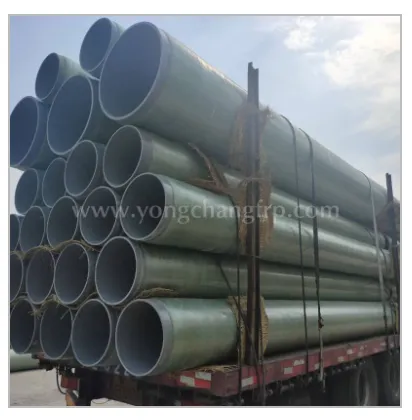
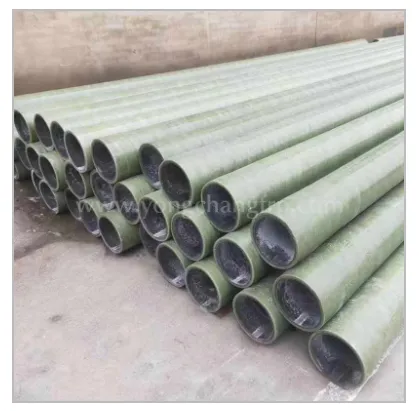
FRP pipes

What is FRP?


FRP stands for Fiber Reinforced Polymer. FRP is a composite material formed from a polymer matrix reinforced with fibers. While the fibers used are usually glass fibers, such as GRP, other fibers such as carbon, aramid, or basalt are also used.

Fibre reinforced polymers are made of two primary constituents; fibres and a polymer matrix. In FRP, the fibre is embedded in a polymer matrix. This structure gives completely different chemical and physical properties than the properties of the individual materials. In fact, these materials satisfy higher engineering requirements than the ordinary materials. Hence composites are applied in less sophisticated to very sophisticate and demanding manufacturing tasks. Mechanical, civil, biomedical, marine, and the aerospace industries are main users of composite materials.

The primary role of fibres is to provide strength and stiffness to the material. But the fibre alone is brittle (ex: glass). Therefore, the fibres are encased in a coating of polymer materials. Polymer matrix holds the fibres in their position and transfers the loads between the fibres. It also contributes to the inter-laminar shear strength.

The fibres used in composite are as follows; E-glass, S-glass, Quartz, Aramid (Kevlar 49), Spectra 1000, Carbon (AS4), Carbon (IM-7), Graphite (P-100), and Boron. Polyesters, Vinyl Esters, Epoxies, Bismaleimides, Polyimides, and Phenolics are the polymers used. Each polymer has different chemical and physical properties; therefore, contribute differently to the composite structure. As a result, the composite properties are also different based on the polymer.

Polyester and vinyl are low cost materials, hence used extensively in commercial applications. Epoxies are used for high performance continuous fibre matrices. It also performs better than vinyl and polyester in high temperature conditions. Bismaleimides and Polyimides are high temperature resin matrices for use in temperature critical engineering applications. Phenolics are high temperature resin systems with a good smoke and fire resistance; therefore, used in aircraft interiors.


What is the difference between FRP and GRP?

• FRP is a composite material, where high strength fibres are included in a polymer matrix. They are used in many commercial and engineering applications due to their high strength and light weight. FRP is widely used as a substitute for metal and wood. Best example is the use of carbon fibre reinforced polymer (CFRP) instead of aluminum and titanium or high grade steel in aircrafts.

• Fibreglass or GRP is a composite material made out of glass fibres and uses polyester, vinyl, or epoxy as the polymer. It is used to make gliders, boats, and bathtubs. Fibreglass is used mainly for commercial applications. Fibre glass is one type of FRP.


What is Fiber Reinforced Plastics used for?


GRP is used in a range of different applications. In many industries, products made partially or completely from GRP are useful. For example:

1. Non-slip protection for refurbishing wet and dry floors

2. Handrails

3. Sports equipment such as kayaks

4. Electronic enclosures

5. Safety grating for industrial and public areas

6. Helicopter rotor blades and wind turbine blades

7. Water pipes or drain covers


FRP pipes


What are the properties of Fiber Reinforced Plastics?


GRP has many valuable properties that make it very useful in industries around the world. These properties include

Thermal insulation

FRP has a low thermal conductivity of 1.25 to 1.67 kJ/(mhK) at room temperature, 1/100 to 1/1000 that of metal, making it an excellent thermal insulation material. In the case of transient ultra-high temperature, it is an ideal material for thermal protection and ablation resistance and can protect the spacecraft to withstand the high-speed airflow above 2000℃.

High strength to weight ratio

The relative density is between 1.5~2.0, only 1/4~1/5 of carbon steel, but the tensile strength is close to or even exceeds that of carbon steel, and the specific strength can be compared with that of advanced alloy steel.

Corrosion resistance

FRP is a good corrosion-resistant material, with good resistance to the atmosphere, water, and general concentration of acids, alkalis, salts, as well as a variety of oils and solvents. It has been applied to all aspects of chemical corrosion resistance and is replacing carbon steel, stainless steel, wood, non-ferrous metals, etc.

Good electrical properties

It is an excellent insulating material, used to make insulators. Good dielectric properties can still be protected under high frequency. Good microwave permeability has been widely used in radar radome. Good heat and sound insulation effect.

Easy to mold

① The molding process can be flexibly selected according to the shape, technical requirements, usage, and quantity of the product.

② The process is simple and can be molded in one go, with outstanding economic effects, especially for products with complex shapes and small quantities that are not easy to mold, highlighting its process superiority.


What are the production methods of Fiber Reinforced Plastics?


Basically, there are two major categories, namely wet contact molding and dry pressurized molding. If we divide by process characteristics, there are hand paste molding, RTM method, lamination molding, molding, extrusion and pulling method, winding molding, etc. Hand- glued molding includes a bag-pressing method, hand-gluing method, a spraying method, wet-gluing low-pressure method, and mold-free hand-gluing method.


We are an FRP pipes manufacturer, please feel free to contact us if you need them.

Why Chemical Plants Are Switching from Steel to FRP Storage Tanks

Why Chemical Plants Are Switching from Steel to FRP Storage Tanks Introduction Chemical plants have relied on steel storage tanks for dec...